Wytham's Nature A - Z

During the 75th Anniversary Year, we compiled an A-Z of plants, animals or fungi that can be found in or around Wytham Woods. Please help us by visiting the woods to hunt for them, and let us know your findings by submitting your records to the Wytham Woods Recorders Group on the online biological recording website iRecord.

Findings are not restricted to the species below, all are accepted. It would be helpful to include a good quality photograph too. Enjoy the hunt!
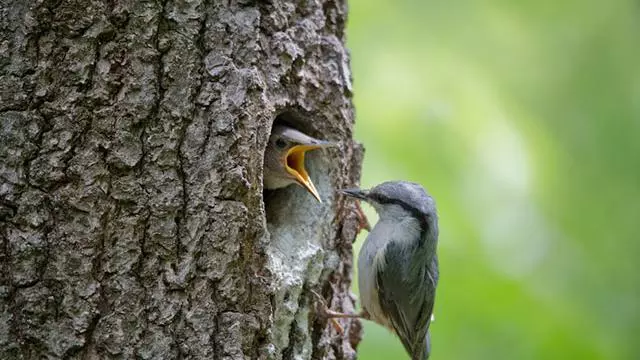
Nuthatch Sitta europaea

Nuthatch (Sitta europaea)

A loud and repeated "Chwit" or rapid "chiriririri" can be the first sign of the elusive nuthatch.
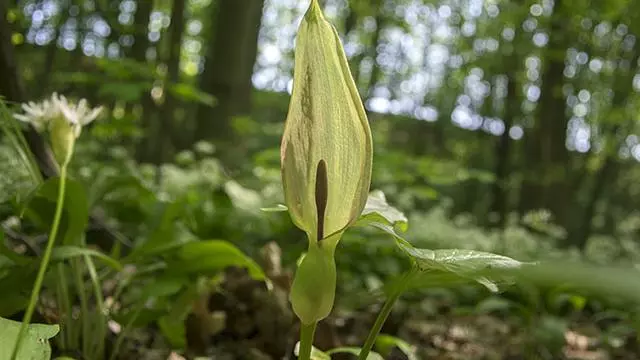
Lords and Ladies (Arum maculatum)

Lords and Ladies (Arum maculatum)

The leaves of this plant are a distinctive arrow shape (Cupid's perhaps?) with small purple patches or spots.
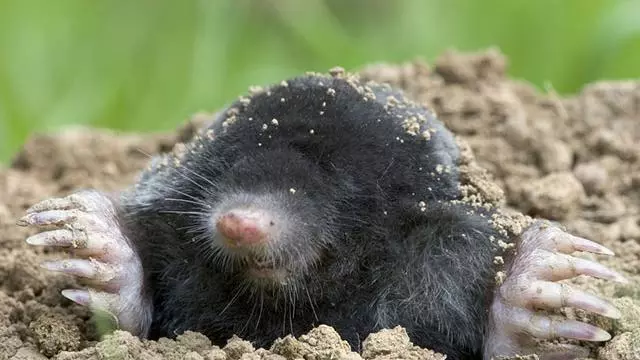
Mole (Talpa europaea)

Mole (Talpa europaea)

Moles are surprisingly small at about 14cm long and live for around 2.5 years. Males are called boars, females are sows and group of moles is a labour.
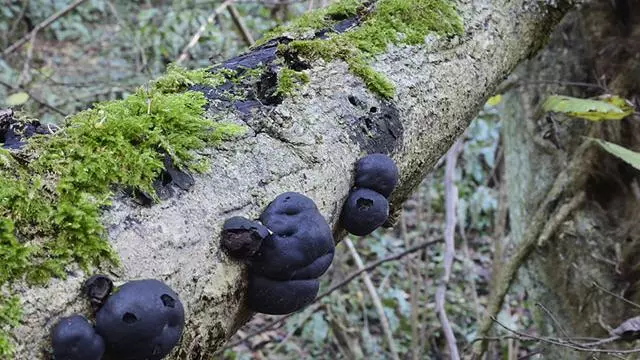
King Alfred Cakes (Daldinia concentrica)

King Alfred Cakes (Daldinia concentrica)

The fruiting bodies of this inedible fungus form hard rounded dark brown balls that turn black with age.
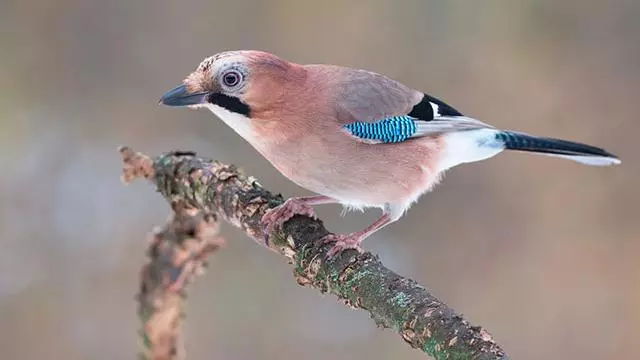
Jay (Garrulus glandarius)

Jay (Garrulus glandarius)

The Jay is our most colourful member of the crow family (Corvidae). Like many other corvids, they can imitate and mimic other animals and sounds.
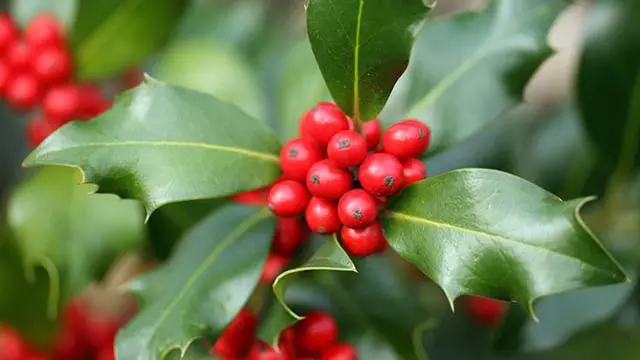
Holly (Ilex aquifolium)

Holly (Ilex aquifolium) and Ivy (Hedera helix)

Yep, you guessed it! We couldn't resist having Holly hand in hand with Ivy.
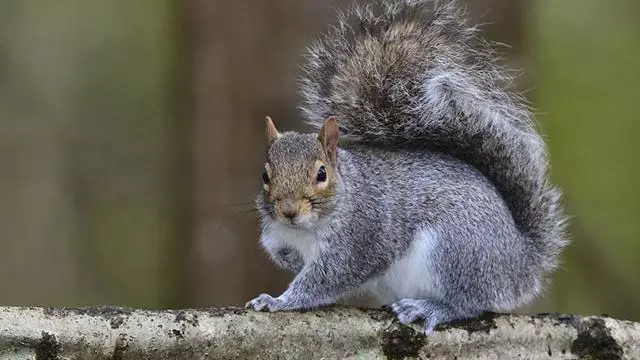
Grey squirrel (Sciurus carolinensis)

Grey squirrel (Sciurus carolinensis)

Although a familiar sight, the Grey squirrel is not native. It was introduced to Britain from the Eastern United States in the mid 1870's and introductions continued until 1915.
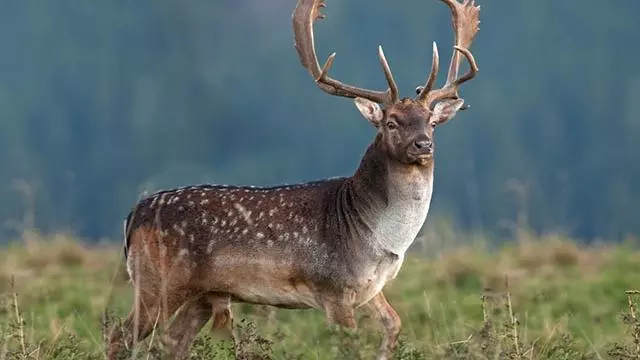
Fallow deer (Dama dama)

Fallow deer (Dama dama)

Fallow deer were probably first introduced in Britain during the Roman period but these early deer went extinct here following the collapse of the Roman Empire.
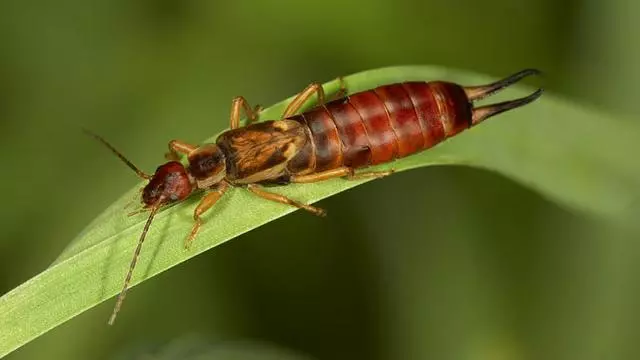
Earwig (Forficula auricularia)

Earwig (Forficula auricularia)

Primarily active at night, the earwig spends daylight hours hiding in crevices in wood or under stones and leaf litter. They are scavengers that eat mostly plant debris, fruit and small insects.
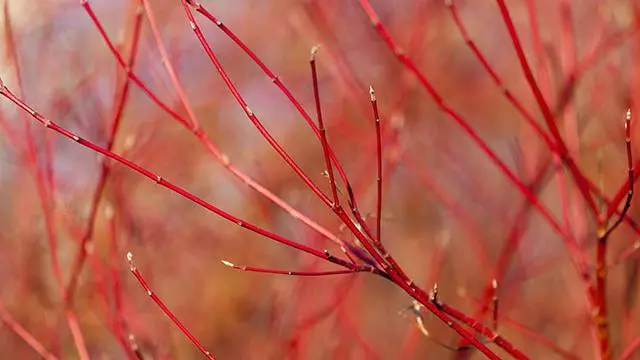
Dogwood (Cornus sanguinea)

Dogwood (Cornus sanguinea)

This native shrub can mostly be found on limestone or chalky soils in scrubby areas. It is inconspicuous for much of the year but during the autumn makes its presence known with beautiful crimson leaves and black fruit.
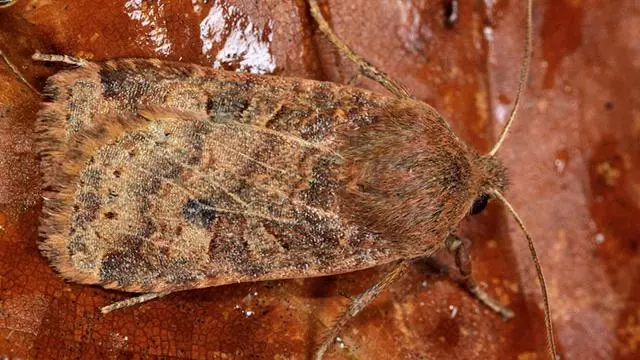
Chestnut moth (Conistra vaccinii)

Chestnut moth (Conistra vaccinii)

The Chestnut is one of our more common species of Noctuid moth that occurs in autumn and winter.
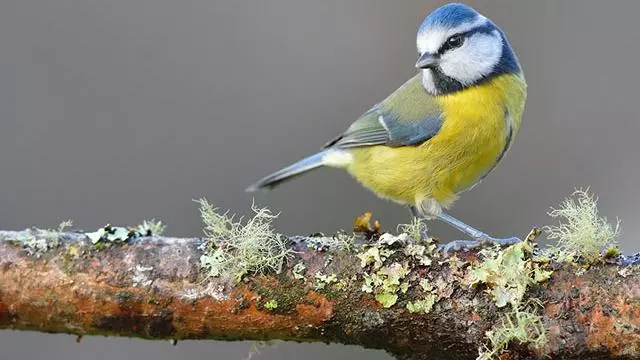
Image of a Blue tit bird perched on a tree branch covered in moss and lichen, blue tit has bright yellow chest feathers with blue and white feather over the head

Blue tit (Cyanistes caeruleus)

This agile, acrobatic bird derives its genus name, Cyanistes from the Ancient Greek kuanos, meaning "dark blue" and no other British tit has blue in its plumage.